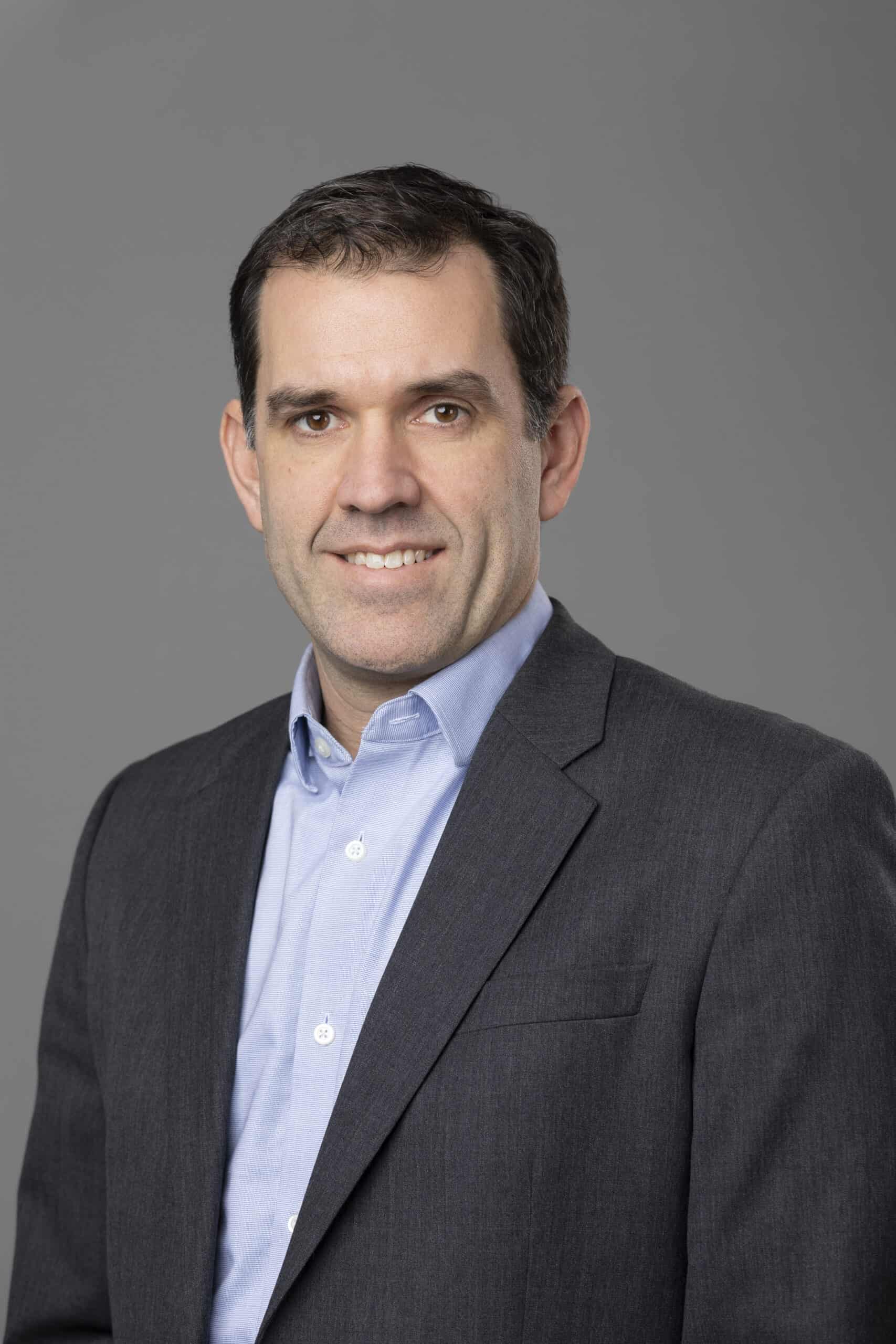
Jay Calnan didn’t grow up in an entrepreneurial family. He doesn’t consider it natural for him to take a big career risk. And yet 30 years ago, he cashed in his 401(k) — paid 50% in early penalty fees and 40% in taxes — just to afford a small office with a desk and a phone.
He held up as inspiration two former icons of Boston real estate: Les Marino and Charlie Madden, who both helped grow Modern Continental Construction from a small startup to one of the largest construction contractors for the Big Dig. Except Calnan never sought to oversee a big firm like Modern Continental, which later went under.
“My goal when we first started was just to do a couple of really small projects a year with me and maybe a couple other guys, but do it really well and be really good at what we did,” Calnan said.
But naturally, doing work well meant that Calnan and the firm, called J. Calnan & Associates, kept getting more work. The firm kept growing and this year it marked its 30th anniversary in business.
The Business Journal talked with Calnan about the milestone, doing business differently and the challenge of doing business in an expensive state. Responses have been edited for length and clarity.
How have you balanced growth and maintaining quality?
“The easiest way I can relate it is like having four wheels on the road. We would be running the company with four wheels on the road and getting better every day and every week and striving to be the best. But sometimes the workload would come in greater than we anticipated, and we would get a wheel and sometimes two wheels off the road because we started going so fast.
So we learned pretty early on to take on the work that we could manage and not overcommit on projects that we couldn’t. The worst thing we could ever do is let down a client, and so we learned early on to stay in control of the volume of work that we would bring into the company so we always kept all four wheels on the road.
Our mantra would be to bring people into the fold whether we had the work or not. We would roll the dice a little bit and say, if we hire a few extra people and we don’t have the work, that could put us in a difficult situation. We’re going to have to spend a few dollars out of our earnings to cover these people if they don’t have projects to go to, but we’ll roll that dice.”
Did you worry about not having enough work for everyone you hired?
“We had those issues, and those were setbacks for us financially. We would hire key people and the work wouldn’t come in right away. So we would end up depleting some of our retained earnings that no one wants to do. And you try to minimize that as much as you can, but that was the business decision that we made in order to make sure that we brought in the right people, and we looked at it as an investment in our future.
Was there a certain point that you found you were growing faster than you expected to, even if growth wasn’t your goal?
“For sure. One of the great byproducts of trying to improve every day and be really good at what you do is you eventually grow — and growth is phenomenal. Even though the goal isn’t to be the biggest, growth offers more people to come into the team with more opportunities to be the best at what they do.”
Has that meant giving up work in farther-away locations?
We’ve had clients ask us to build for them in South Florida, Georgia or the Carolinas. We’ll build their corporate facilities and we pass on the retail largely. I’m a family guy. I have three kids. For me to spend six months a year building a retail facility in Florida for one of our clients, although we’d love to help them, that’s not what I want to do. I want to be home. I want to be with my family. I want to be at their sporting events. I want to attend their school night events, and I want the same for all of our employees. So if I’m not going to go to Florida, I’m not going to send our associates to Florida and miss their family for the sake of work opportunities.”
Is it harder to do business in Massachusetts?
“We have obstacles that we’re always overcoming economically. Our utility bills are way too high. We could easily bring down our energy costs. We could easily reduce our regulations around permitting and energy requirements. We could reduce our taxes by just simply auditing our state.
We have a businessman running for a leadership role in the state, Mike Minogue. I think he would be a phenomenal governor because he would run it like a business. I’ve struggled to understand why anybody would not want to have that. There are regulatory and political things that could be easily fixed and they’re not being fixed. And sadly, that’s driving some of our corporate clients out of the state and certainly keeping our state from attracting the talent and the companies that they should be attracting.”
Do you hear a lot from clients about the difficulty of getting projects done here?
“There has to be improvements on these aspects in order for the state to get back on track. We’re last in a lot of you know in job growth. How does that happen unless you’re making really poor decisions?”
Have you been reflecting a lot on your 30th anniversary?
“We take such great pride in having done it the right way, with the right values and the right people. To look back on it 30 years and take stock in that is incredibly rewarding. I could never express how rewarding it is, based on how we’ve been able to do it and not just what we’ve been able to do.
Charitable giving has been a big part of J. Calnan & Associates. Why has giving back been so central to the firm?
We’ve surrounded ourselves with employees who all think the same way. We all feel very blessed to have the opportunities that we have and I think the most important thing is not to take it for granted. The day you take it for granted is the day everything changes.”